 Kulcho
Omnichannel Distribution: SEO & COPE Strategies
TL;DR: Omnichannel distribution isn’t about being on every platform—it’s about building a system where your content flows seamlessly across them. By utilizing the COPE (Create Once, Publish Everywhere) strategy, creators can maximize their reach while minimizing production time.
The “content treadmill” is the single biggest cause of creator burnout. Most creators spend 80% of their time re-formatting the same idea for 5 different platforms: Instagram, YouTube, LinkedIn, Email, and their Website.
There is a better way. It’s called COPE (Create Once, Publish Everywhere).
What is Omnichannel Distribution?
Omnichannel distribution is a content strategy where your message is delivered consistently across all touchpoints in your audience’s journey. Unlike “multi-channel” (which is just posting on different apps), omnichannel ensures that the experience is unified.
If a fan reads your blog post, receives your email, and sees your tweet, they should feel like they are interacting with one cohesive brand, not three different versions of it.
The COPE Strategy: The Engine of Scale
The COPE methodology relies on building modular content. Instead of writing a “blog post,” you create a “content asset” that consists of:
- A core thesis (the primary idea).
- High-level talking points (for social threads).
- Visual assets (for video/image platforms).
- Detailed data/evidence (for long-form newsletters).
How to Execute COPE in 4 Steps:
- Start with the Source: Create your most comprehensive version first (usually a long-form article or deep-dive video).
- Fragment the Asset: Break that source into smaller, platform-specific “micro-assets” (e.g., 5 tweets, 2 Reels scripts, 1 newsletter intro).
- Utilize Headless Infrastructure: Use a Headless CMS to store these modules so they can be pushed to different “heads” (websites, apps) automatically.
- Schedule Centrally: Use a single dashboard to manage the distribution flow, ensuring consistent timing and messaging.
Why Omnichannel Matters in 2026
Audience attention is fragmented. Your “true fans” might follow you on Instagram but consume your primary value on your owned platform.
An omnichannel strategy solves three critical problems:
- Platform Risk: If one algorithm dies, your message is already alive on four others.
- Conversion Efficiency: It creates multiple entry points into your registration funnel.
- Brand Authority: Seeing your high-quality content everywhere concurrently builds industry-leading perceived authority.
From Production to Orchestration
The transition from a “solo creator” to a “media brand” requires shifting from being a producer to becoming an Orchestrator. You no longer make content; you manage a content system.
By implementing omnichannel distribution, you spend less time editing and more time thinking—which is where the real value of your brand lies.
Frequently Asked Questions
Does COPE mean I should post the exact same thing everywhere? No. COPE means using the same core idea everywhere, but adapting the format for the platform. A 2,000-word blog post (data source) becomes a 10-slide carousel on LinkedIn and a 15-second “key takeaway” clip on TikTok.
Which distribution channel is most important? Your owned channel (website/email) is always the most important because you control the data. All other channels, while valuable for discovery, should ultimately drive traffic back to your owned ecosystem to maximize lifetime value (LTV).
Explore related guides: Headless CMS Explained · Owner Audience Infrastructure · The Future of Creator Economy
Tags
Related Articles
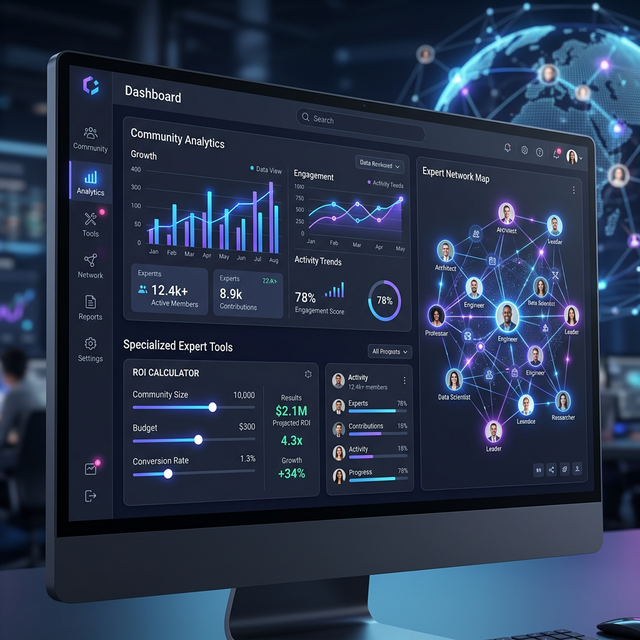
Building Scalable Products for Expert Communities
Expert communities require more than just a forum. Learn how to build scalable products that serve high-intent members through specialized tools, structured learning, and direct access.

Building Your Owned Audience Infrastructure
Learn to build resilient owned audience infrastructure to launch memberships and protect your brand from algorithm shifts. Own your data and fans.

The Rise of the White Label Subscription Platform
Why creators are leaving rented spaces to build branded experiences. Discover how white-label platforms provide the tools to scale recurring revenue.